Replacement Screening Media
Self-Cleaning Replacement Screens
Discuss self-cleaning metal replacement screens for quarry and aggregate screening. Share the screen pattern, panel outline, fixing edges and the material being processed.
Specifications
- Roll width
- 1000 / 1220 / 1500 / 2000 mm; roll length 30 / 50 / 100 m
- Cut sheets
- 1000×2000, 1220×2440, 1250×2500, 1500×3000 mm
- Vibrating panels
- Width 600–2000 mm; length 600–1200 mm per section
- Wire diameter
- 0.8–6.0 mm
- Aperture
- Standard series 4 / 6 / 8 / 10 / 14 / 20 mm
- Separation (FLEX-MAT)
- 0.5–100 mm
- Patterns
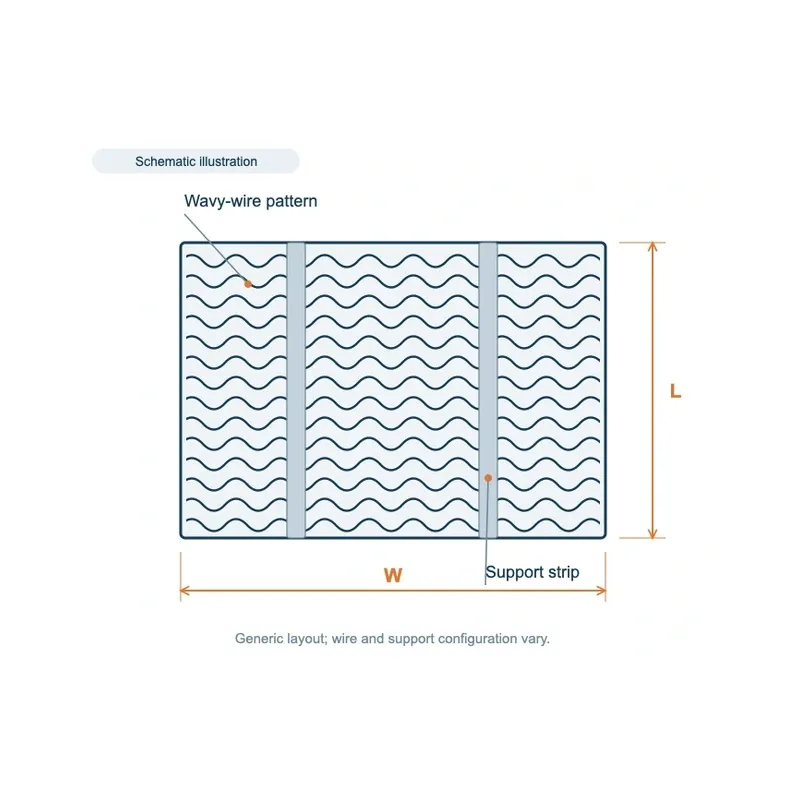
- Wave / diamond-opening / harp-string; PU support strips optional
- Materials to discuss
- 65Mn, high-strength carbon steel EN 10270-1 SH, SS316 — by application
# Self-cleaning replacement screens, made to your screening duty
## The challenge
Blinding and pegging are what stop a screening line. Near-size particles lodge in the openings, the open area shrinks, throughput falls, and the screen has to be cleaned or changed before the shift ends. The wrong screen pattern makes it worse: a panel that blinds on your material will blind again, whatever the opening size says on paper.
A replacement screen has to do two things at once: keep the openings clear while it works, and fit the machine it goes on — panel outline, hook edges and supports included.
## Our approach
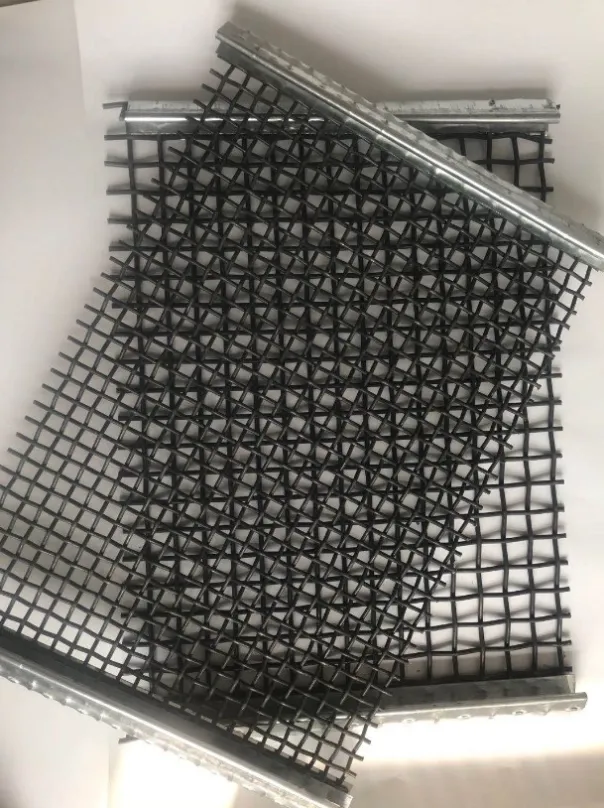
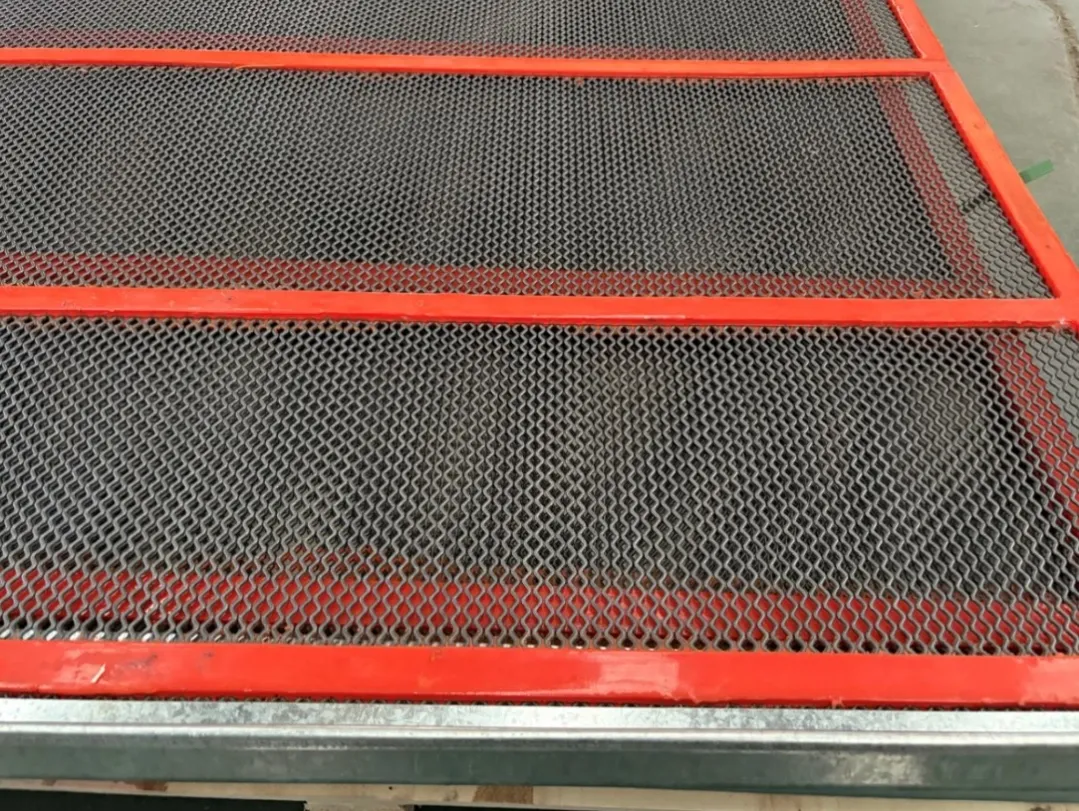
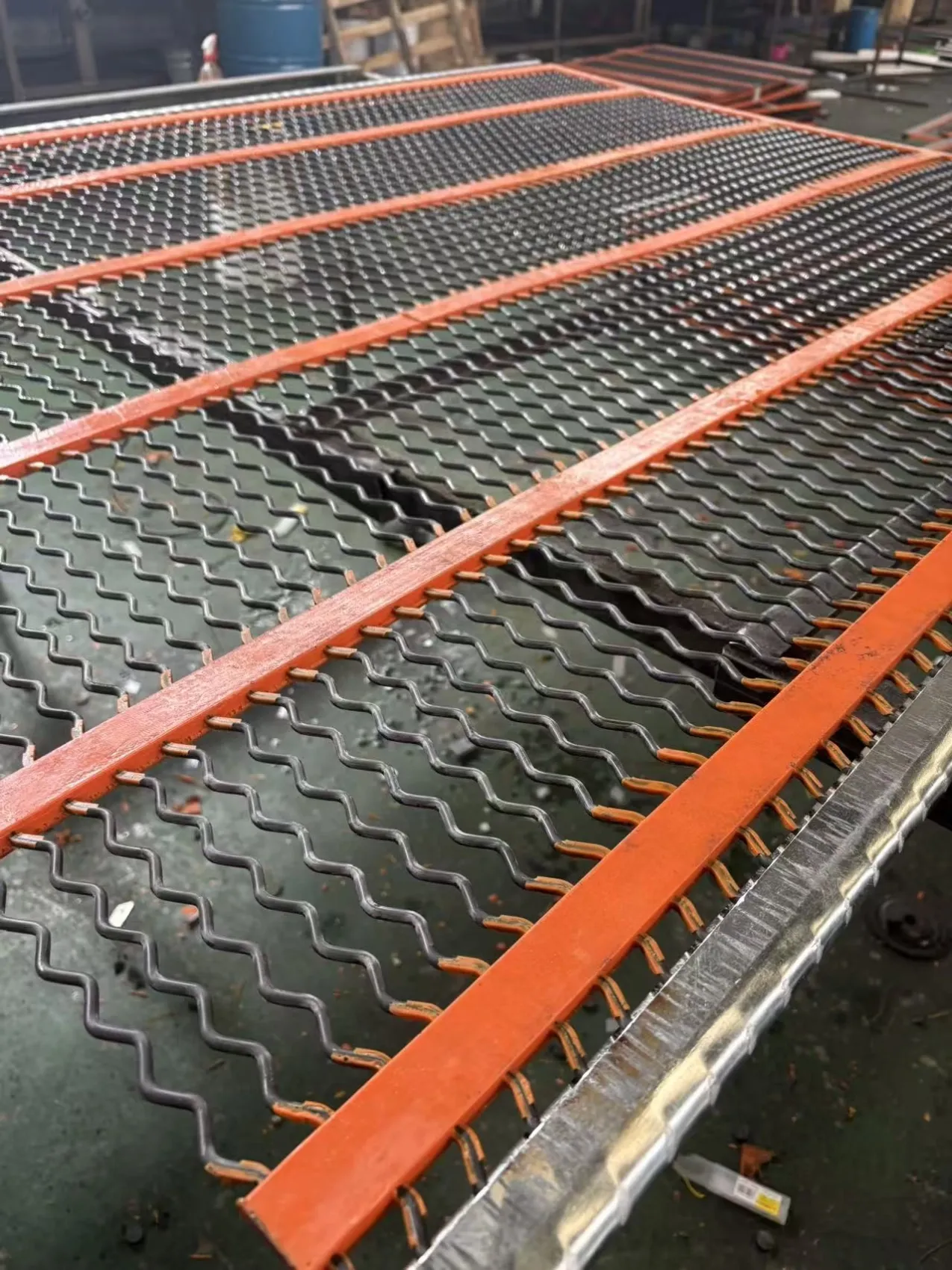
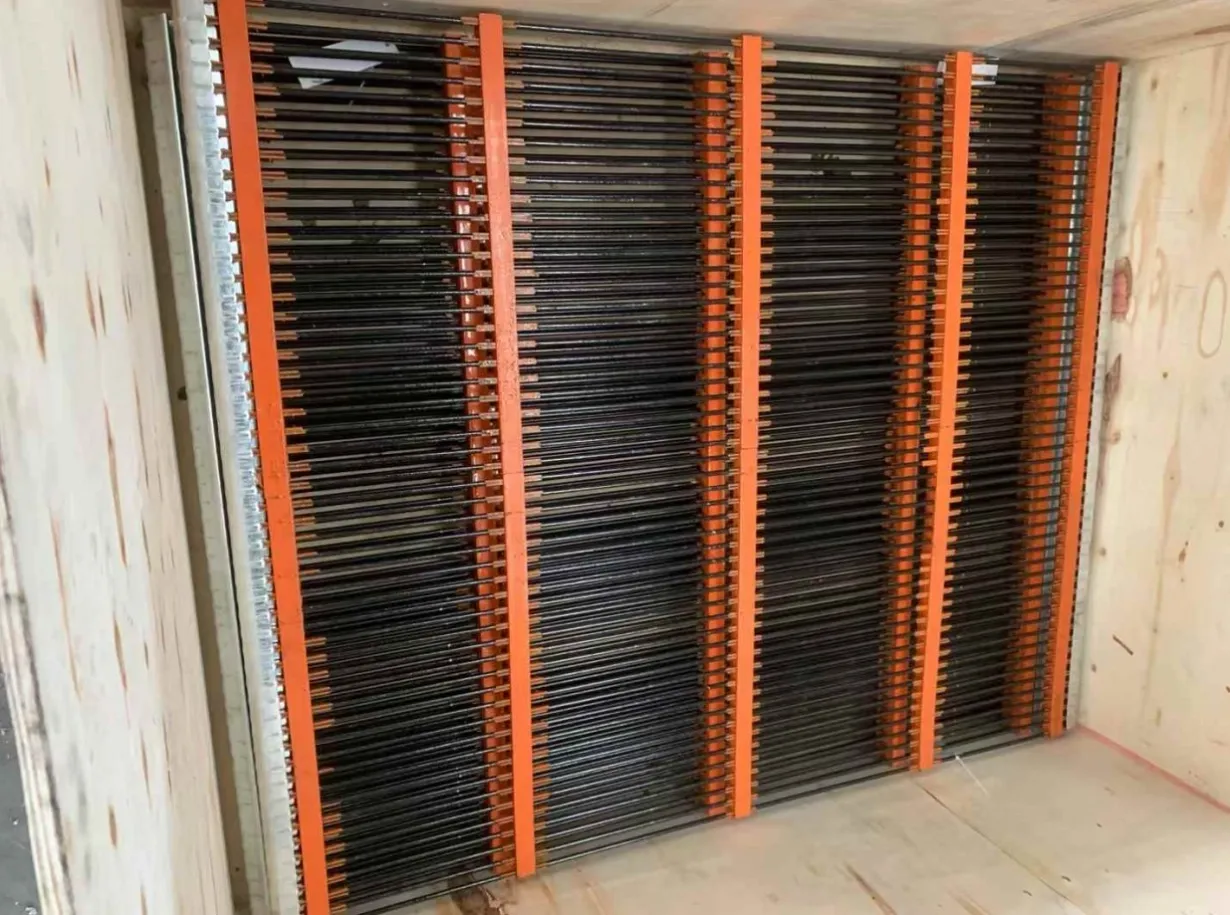
We supply custom self-cleaning replacement screens from Anping, China. Each panel is made to order: the wire pattern, panel outline, hook or mounting edges and support-strip layout are matched to the screening machine and the material being processed.
Three patterns to discuss (pick the one closest to your current panel):
- Wave pattern — undulating wires that flex as the screen vibrates.
- Diamond openings — diamond-shaped openings that resist pegging.
- Harp-string pattern — straight rods with zigzag crimped wires between them, each wire vibrating on its own.
PU support strips are optional: with strips for extra support and longer panel life, or without, where the panel construction alone is enough. The final panel construction and fit are reviewed against the individual application and available reference before quotation.
## Typical range
Final specification is confirmed per order / drawing. The ranges below are industry-common values from public supplier pages — they show what to discuss, not what we promise off the shelf.
| Item | Typical range |
|---|---|
| Roll width | 1000 / 1220 / 1500 / 2000 mm; roll length 30 / 50 / 100 m |
| Cut sheets | 1000×2000, 1220×2440, 1250×2500, 1500×3000 mm |
| Vibrating panels | Width 600–2000 mm; length 600–1200 mm per section |
| Wire diameter | 0.8–6.0 mm |
| Aperture | Standard series 4 / 6 / 8 / 10 / 14 / 20 mm |
| Separation (FLEX-MAT) | 0.5–100 mm |
| Patterns | Wave / diamond-opening / harp-string; PU support strips optional |
| Materials to discuss | 65Mn, high-strength carbon steel EN 10270-1 SH, SS316 — by application |
Sources for the ranges: Jintong, Avelta, Haver / Major (FLEX-MAT public pages). Our factory-confirmed pattern range and panel sizes are still pending — final specification confirmed against your drawing / sample.
## What this helps with
- **Fewer blinded openings** — the wire pattern is chosen for the material that blinds your current panel, so openings stay clear longer.
- **Steadier throughput** — a panel that keeps its open area holds the screening rate through the shift instead of falling off as openings block.
- **Fewer unplanned stops** — cleaning and changes happen on plan, not because the screen blinded mid-shift.
No throughput or lifetime figures are promised here: the result depends on the material, moisture and machine settings. The ranges in §3 and the questions in §6 are how we get to a panel that fits your duty.
## Typical applications
- **Quarry and aggregate screening** — anti-blinding panels on vibrating screens for gravel, crushed stone and ore.
- **Coal and ore preparation** — screening media where near-size material blinds ordinary panels.
- **Plastics extrusion and recycling** — vibrating screens and screen changes on recycled feedstock lines, where contaminant load is higher.
Each application links back to the same enquiry: pattern, panel dimensions, opening, wire and the material being screened.
## Next step
Send the information you already have — a drawing, photographs of the complete panel, its surface and both fixing edges, or a sample panel. These seven questions are what we ask next. Do not send the crusher or screen model alone — a photo of the screens in use tells us more:
1. Screen pattern — wave / diamond-opening / harp-string, or a photo of the current panel surface.
2. Panel dimensions — width, length per section, and how many panels per order.
3. Opening size and wire diameter — if known; photographs work as a starting point.
4. Hook or mounting edges — edge type and how the panel fixes to the machine.
5. PU support strips — with or without; if with, the strip layout.
6. Material being screened and wet or dry — and the blinding or pegging problem in use.
7. A photo of the screens in use — the panel on the machine, if available.
Tools to send with your enquiry:
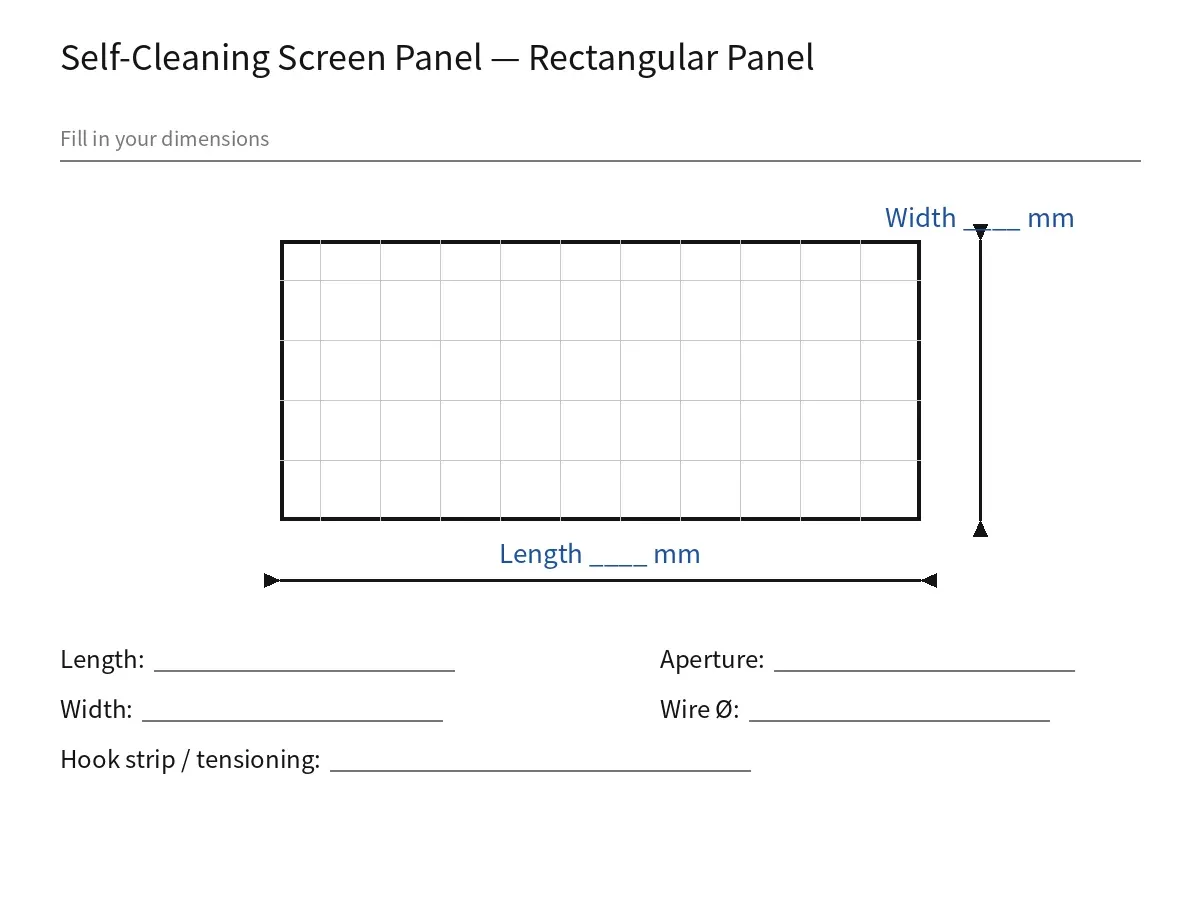
- **Blank dimension drawing** `blank-dimension-M02-panel.png` — fill in length, width, aperture, wire diameter and hook-edge type and send it back.
- **RFQ sheet** (M02) — the same fields as a PDF, for buyers who prefer a form.
- **Sample** — samples are available on request; availability, fee and lead time depend on the product, size and quantity — send your specification and we will confirm. Standard sizes can usually be supplied quickly; custom sizes are made to your drawing.
Enquiry email: sales@anpingmeshpro.com — or use the enquiry form. We reply with the next details needed before a quotation is prepared.
## Customisation Topics
- Screen pattern and panel outline
- Openings and wire arrangement
- Hook or mounting edges
- Support-strip layout
- Material and operating conditions being screened
## Questions About This Product
### Is the screening-machine model enough for a quotation?
It is useful supporting information. A panel photograph, dimensions and mounting-edge details are also needed to define the replacement screen itself.
### What should I include when the screen is blinding or pegging?
Describe the material, wet or dry conditions and the observed problem. Add photographs of the current screen pattern and the complete panel.
### Can I start without knowing the wire diameter?
Yes. Identify what is known and send clear photographs or an existing drawing. Any measurements still needed can then be discussed.
## Discuss Your Requirement
Share full-panel, surface and fixing-edge photographs, with a dimensional sketch and screening task if available. Email drawings or sample photographs to [sales@anpingmeshpro.com](mailto:sales@anpingmeshpro.com).